Building Brains with Blocks (and More!): The Power of Open-Ended Toys at Kids & Co.
· Kids & Co.
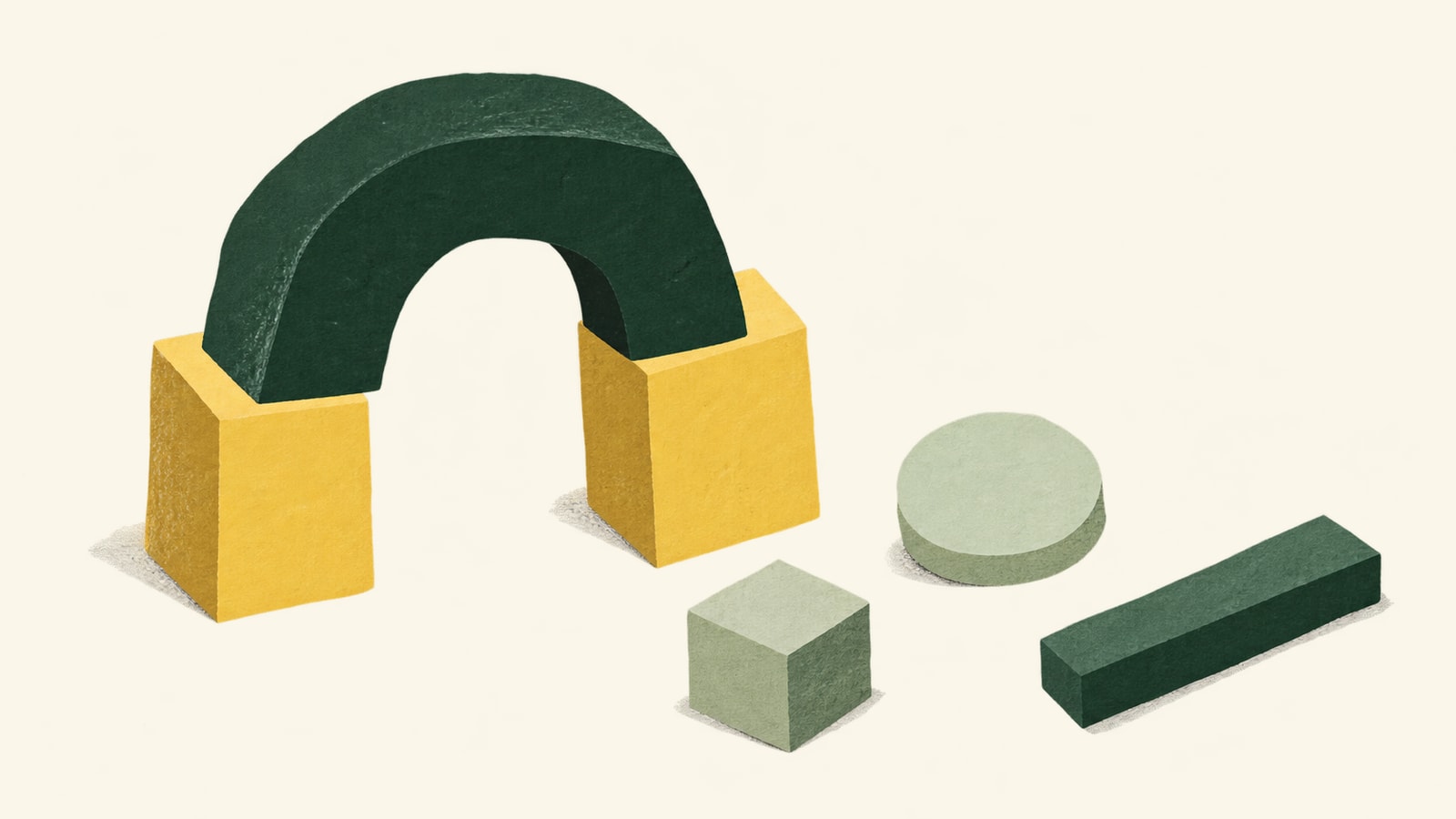
At Kids & Co., we believe that some of the most powerful learning tools are also the simplest. Forget flashing lights and electronic gadgets; we’re talking about the magic of open-ended toys: blocks, loose parts, and other materials that invite children to explore, create, and imagine without limits.
What are Open-Ended Toys?
Unlike toys with a single defined purpose (like a puzzle with one solution), open-ended toys can be used in countless ways. They are the blank canvases of the play world, empowering children to be the artists, architects, and storytellers of their own experiences.
The Kids & Co. Collection: A World of Possibilities
Our classrooms are stocked with a wide variety of open-ended materials, including:
-
Classic wooden unit blocks
-
Colorful magnetic tiles
-
A large collection of LEGO and DUPLO bricks
-
A treasure trove of loose parts:
-
Natural materials (smooth stones, polished shells, colorful fabric scraps)
-
Recycled items (bottle caps, cardboard tubes, small wooden spools)
-
-
Child-safe tools (small shovels, scoops, and magnifying glasses)
Open-Ended Play in Action
Open-ended toys are an integral part of our daily routine at Kids & Co. We have designated areas in our classrooms specifically for block play and loose parts exploration. Children have ample free play time to engage with these materials independently and collaboratively. Our teachers also incorporate open-ended toys into structured activities, using them to illustrate concepts in math, science, and even literacy. For example, children might use blocks to build a ‘city,’ incorporating storytelling and vocabulary development.
Unlocking Skills, One Block at a Time
Each type of open-ended toy offers unique learning opportunities:
-
Blocks: Building with blocks fosters problem-solving skills as children figure out how to create stable structures, balance weight, and achieve their desired designs. It also develops spatial reasoning, mathematical concepts (size, shape, symmetry), and fine motor skills.
-
Loose Parts: Loose parts are incredible for sparking creativity and imagination. A simple collection of stones can become anything from ingredients in a pretend soup to characters in a miniature world. This type of play also encourages resourcefulness and adaptability.
-
Magnetic Tiles: Magnetic tiles are fantastic for developing spatial reasoning, understanding geometric shapes, and exploring magnetism. Children can build 2D and 3D structures, learning about balance, symmetry, and design principles.
The Benefits Beyond Measure
The benefits of open-ended play are numerous and profound. These toys foster:
-
Creativity and Imagination
-
Problem-Solving Skills
-
Critical Thinking
-
Social-Emotional Development (collaboration, sharing, negotiation)
-
Fine Motor Skills
-
A deep sense of engagement and joy in learning
Bringing the Magic Home
We encourage parents to embrace open-ended toys at home! You don’t need expensive or elaborate toys. Start with simple materials like blocks, cardboard boxes, and natural items. Observe your child’s interests and provide materials that support their explorations. Resist the urge to direct their play too much; allow them to lead the way and discover their own creative solutions. Most importantly, join in the fun! Playing alongside your child is a wonderful way to connect and support their learning.
Inspired by the Best
Our approach to open-ended play is deeply influenced by the Reggio Emilia philosophy, which emphasizes the child’s role as an active learner and the importance of the environment as a ‘third teacher.’ We also draw inspiration from Montessori principles, which value self-directed learning and the use of carefully designed materials to promote exploration and discovery.
What Open-Ended Play Looks Like in Practice
Give a group of children fabric scraps, clothespins, and cardboard tubes and they rarely build one object. They build a place, assign each other roles inside it, invent problems, and solve them. A veterinary clinic for stuffed animals is a common shape for it, complete with diagnoses and makeshift bandages. Magnetic tiles tend to go the other way: a single child, a single structure, compartment after compartment, and a running explanation of what every part is for. That is what open-ended toys unlock, and it is why the same bin of materials never produces the same thing twice.
Unlock your child’s imagination and foster a love of learning with the power of open-ended play! Contact Kids & Co. today to learn more about our programs and schedule a tour.